
Your needs, this model
Does it fit your priorities?
How can I check the fit of Pixel Buds Pro 2?
Google supplies XS, S, M and L silicone eartips, with M fitted initially, plus a twist-to-adjust stabilizer. The stabilizer can be turned toward a firmer hold or a looser fit; Google's instructions still call for trying tip sizes in each ear and checking comfort and movement. The product is sealed in-ear, so it may not suit a listener who does not want a tip in the canal. No individual fit trial was performed for this assessment.
Explore this need in the finder →What is Google's stated ANC listening time?
Google lists up to eight hours of continuous listening per charge with ANC on, and 30 hours total with the case. The case total includes recharging and is not one uninterrupted session. Google's support note describes approximate playback at 50% volume on pre-production hardware and software and warns that use, features, settings and environment reduce real-world time. No codec- or Multipoint-specific ANC runtime is established in this assessment.
Explore this need in the finder →Can Pixel Buds Pro 2 connect to two devices and charge wirelessly?
Google lists Multipoint for two connected devices and describes switching between the last two devices when Multipoint or Audio Switch is enabled. That is a connection convenience, not evidence of two simultaneous audio streams or a codec-specific runtime. The case supports USB-C and Qi wireless charging; Google says a Qi-certified charging accessory is sold separately. Check your host, setup and the exact case package.
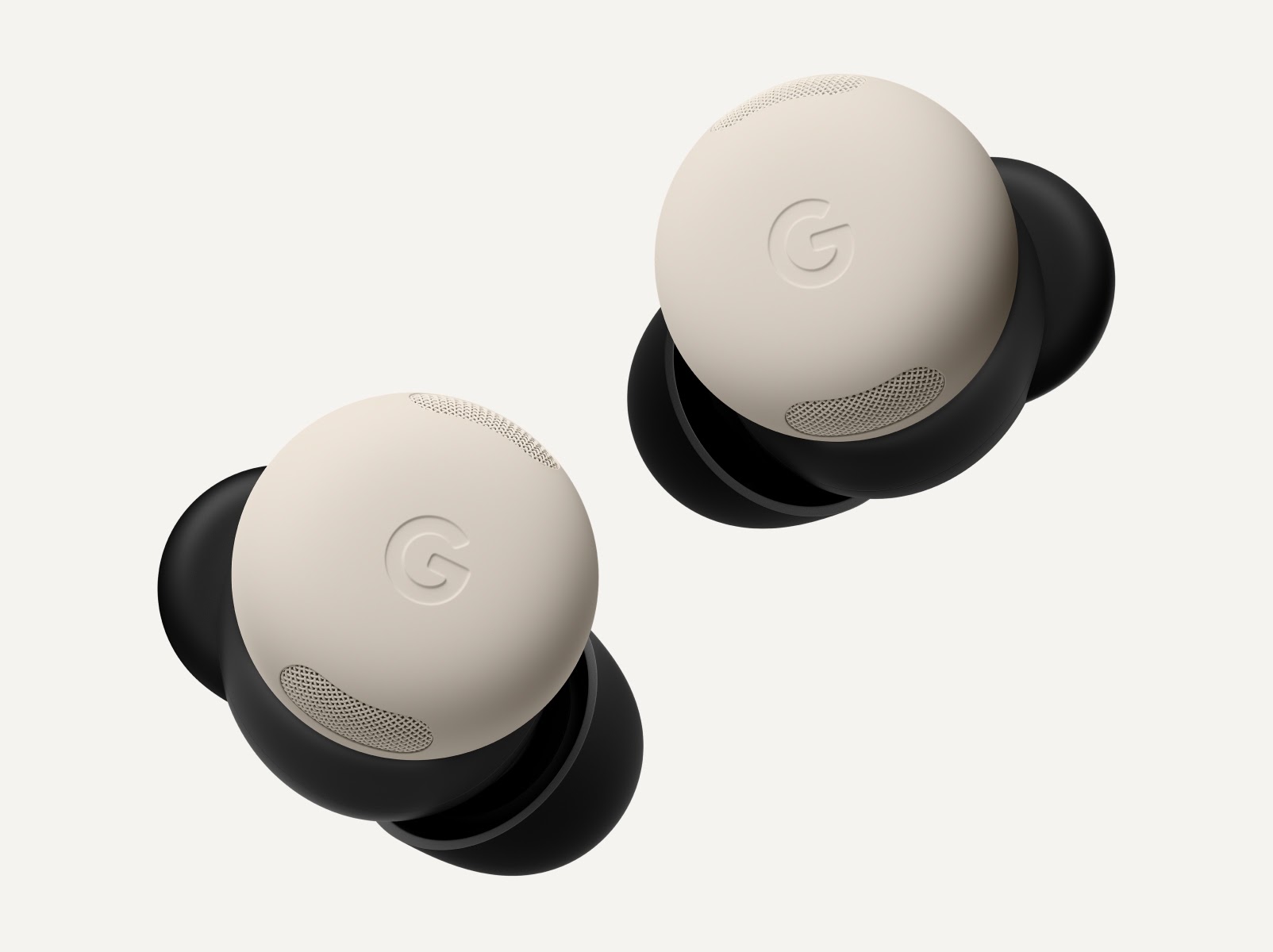
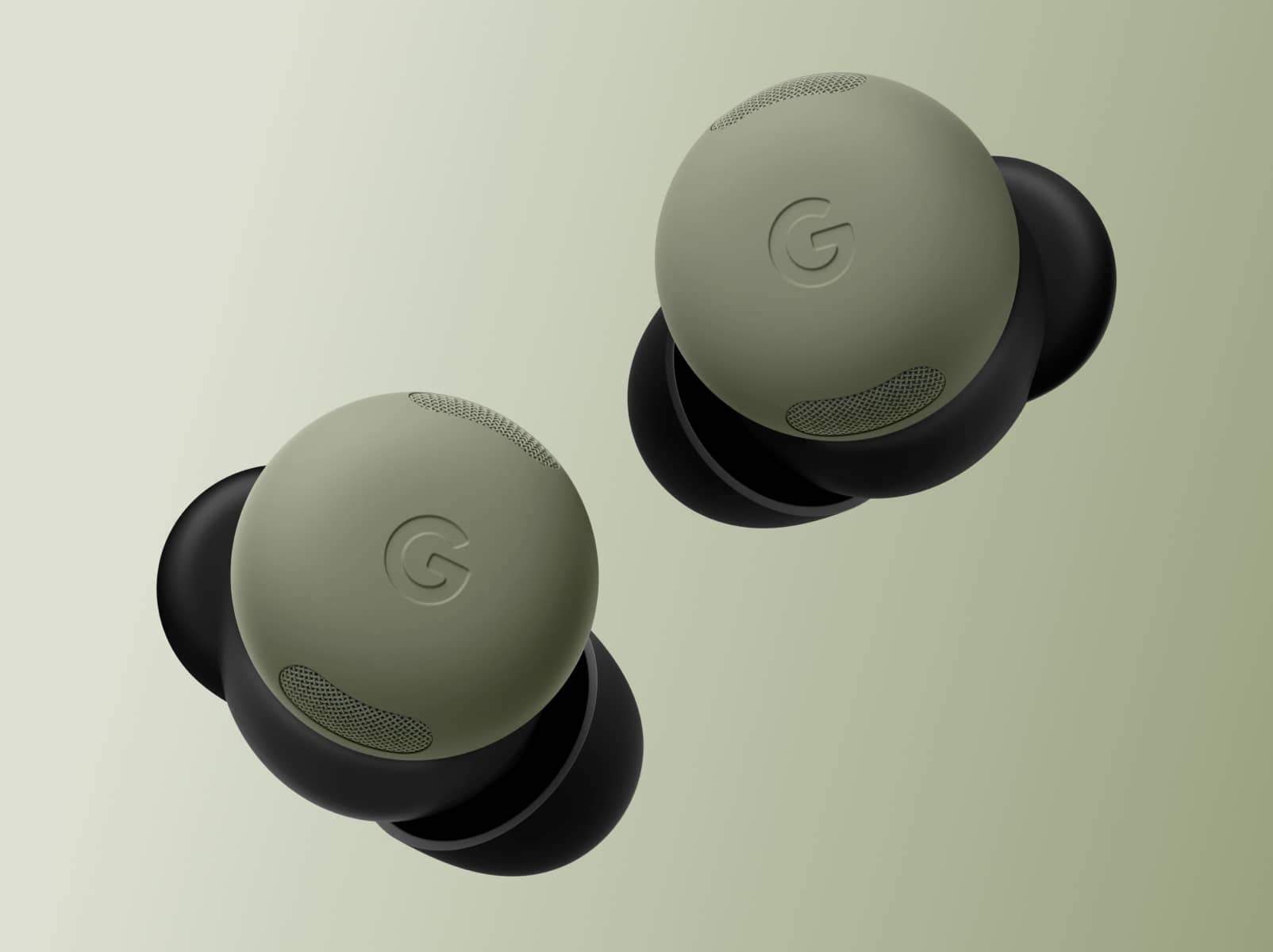
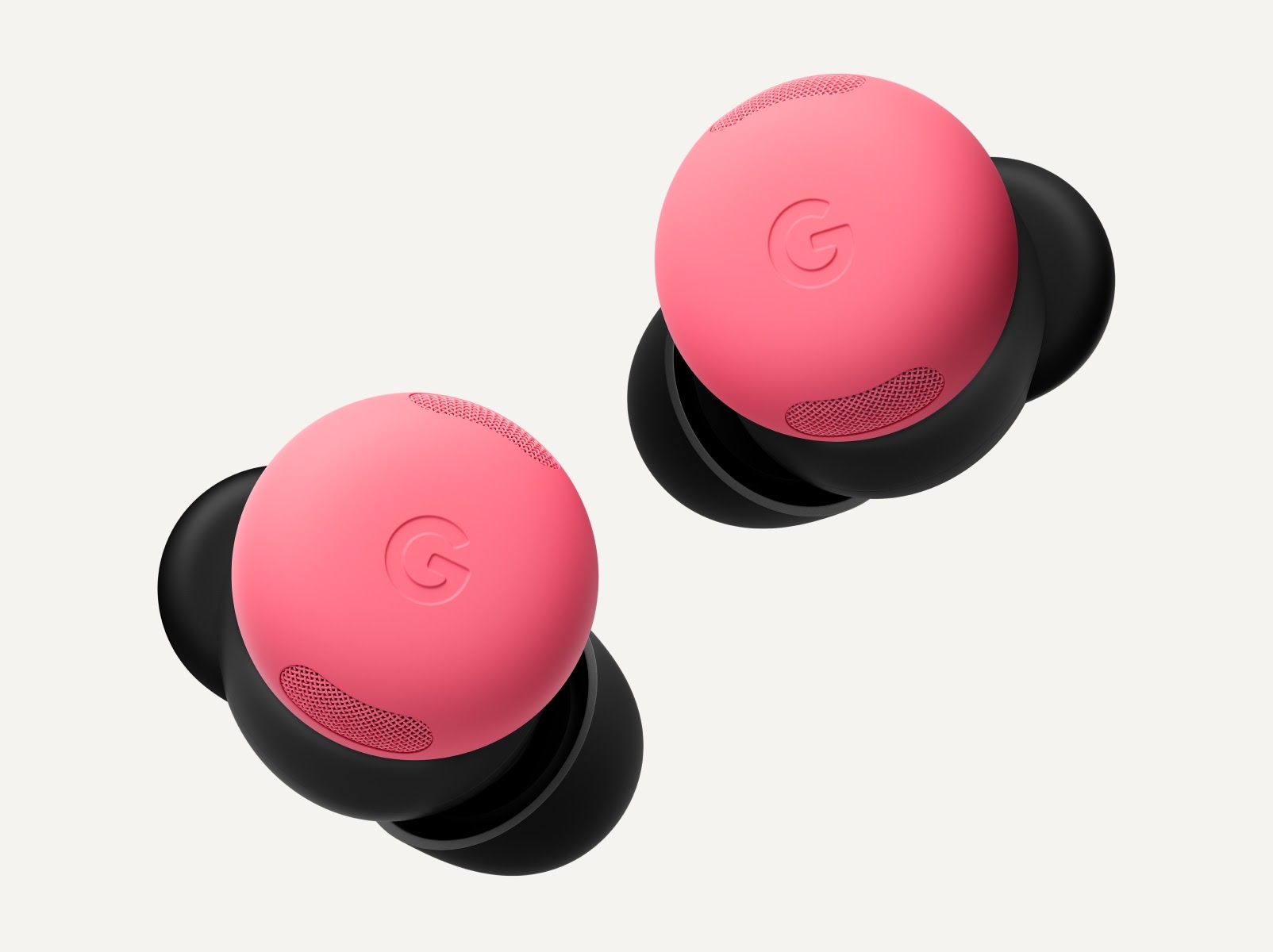
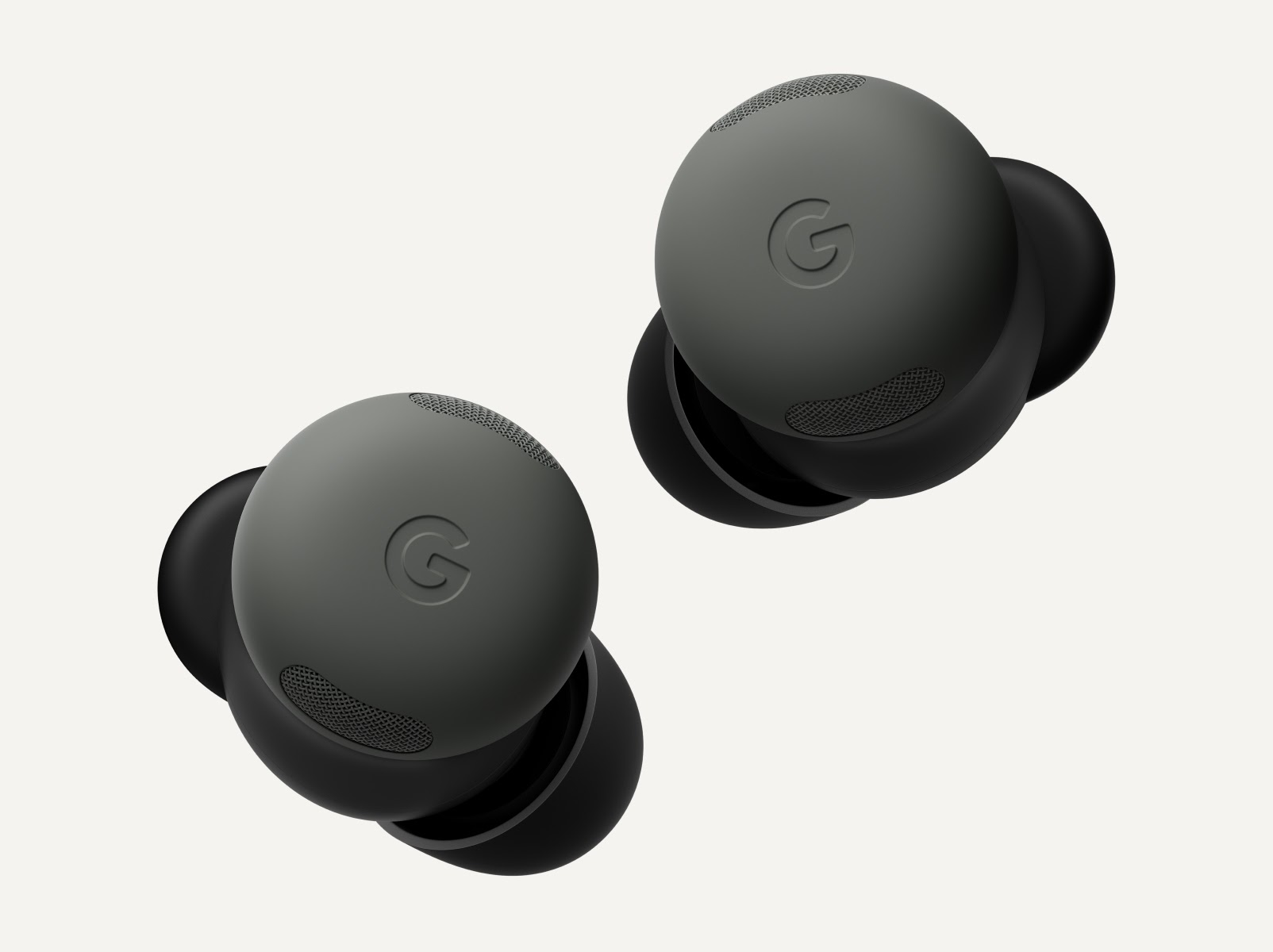
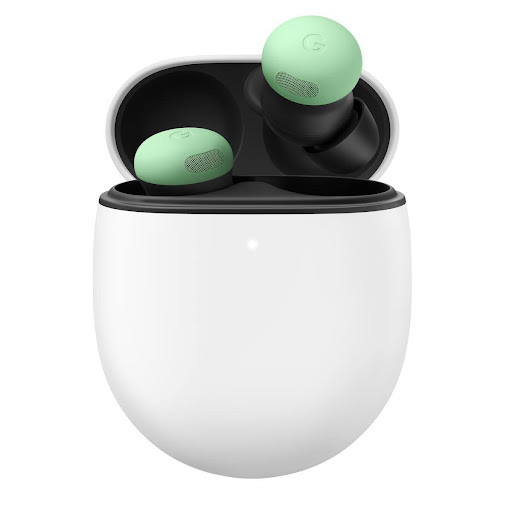
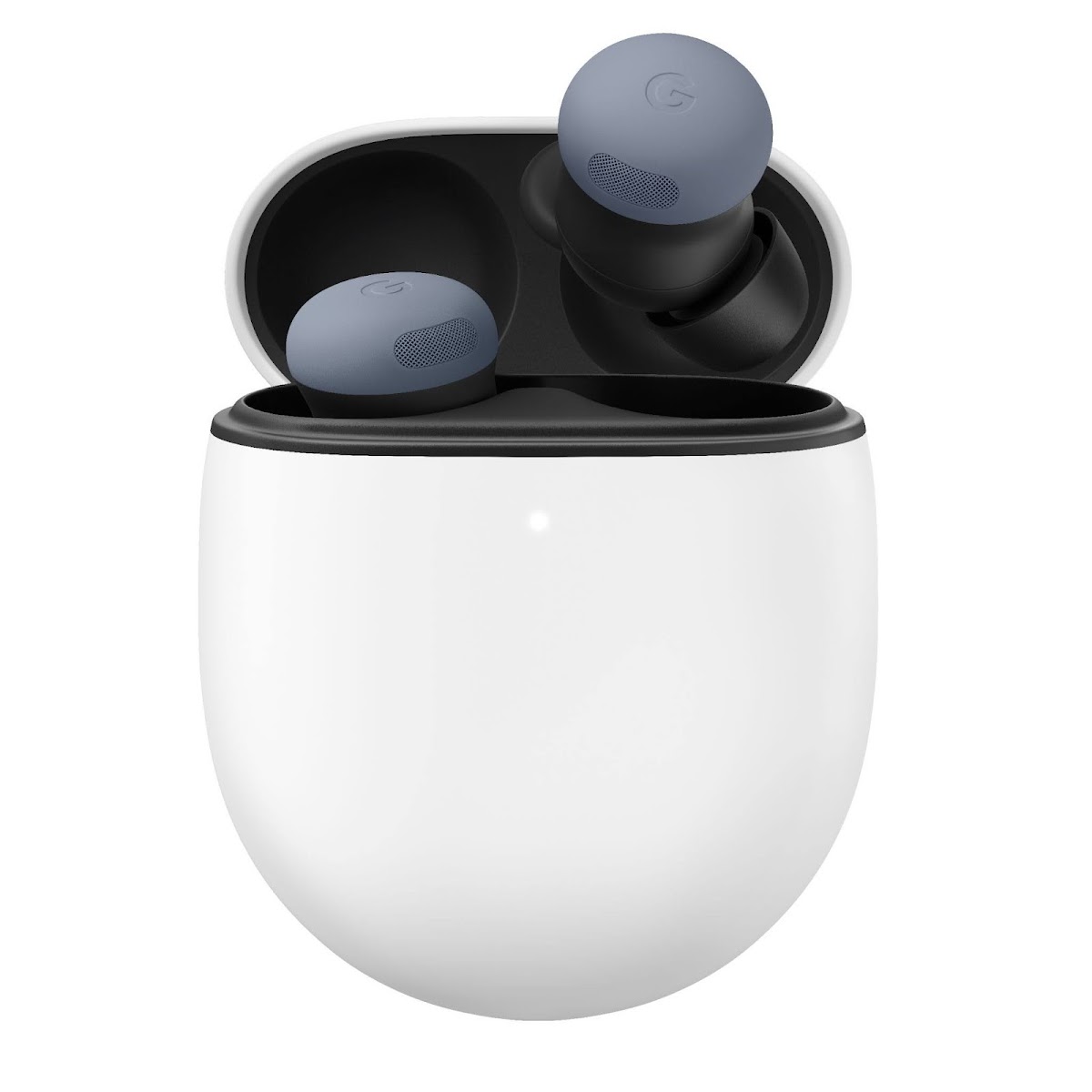
Explore this need in the finder →Google Pixel Buds Pro 2 are a sealed, tip-in-canal design, not an open-ear alternative. This assessment concerns the current U.S. Porcelain configuration and its wireless charging case. Google's present U.S. specifications list Olive, Porcelain, Peony and Hazel; its launch material identified Wintergreen, Porcelain, Hazel and Peony, and Google later announced Moonstone. These are finish references rather than separate functional assessments. Wintergreen and Moonstone remain visible in Google's support color table, but a separate complete-unit SKU or current U.S. offer for either finish is not established here. The useful decision is whether the fit aids, ANC, charging case and Google-dependent features suit your devices and routine—not whether an advertised feature guarantees a personal result.
A sealed fit with a twist-adjustable stabilizer
Google includes four silicone eartip sizes—XS, S, M and L—with M fitted initially. It pairs the canal tip with a small stabilizer that can be twisted toward a firmer hold or toward a looser fit. Google's setup guidance recommends trying more than one tip size in each ear; its support material also lists an eartip seal check for this model. Those are useful ways to evaluate the fit, but a menu of sizes cannot tell you whether the shape will feel comfortable or form a seal for your ears. Check both sides and use a return period rather than treating the company's design goal as a fit guarantee.
Because the design seals the ear canal, these buds are for someone willing to use tips. Active Noise Cancellation, Transparency and Adaptive Audio give different ways to control or reduce outside sound, and Conversation Detection can pause playback and switch toward Transparency when you speak. Google's product material describes these modes; it is not an independent test of how much noise they remove on a train, in a gym or at a desk. A weak tip seal can alter isolation and comfort, and transparency does not replace awareness or safe listening around traffic.
Eight hours with ANC is a published maximum
Google lists up to eight hours of music listening per earbud charge with ANC on and up to 30 hours total using the case. With ANC off, the listed maxima rise to 12 hours per charge and 48 hours with the case. Do not confuse a case-assisted total with one uninterrupted listening session. Google's support note calls its estimates approximate and bases them on continuous music at 50 percent volume using pre-production hardware and software. It warns that features, device, settings, environment and use change battery life; actual time may be lower. No battery run was measured for this review.
There is an important limit for technical shoppers: the published eight-hour ANC figure is not divided by Bluetooth codec, LE Audio or multipoint setting. Google separately documents standard Bluetooth LE Audio for the Pro 2, and its settings page documents Multipoint for two connected source devices. Those do not establish that the same eight-hour ANC maximum applies to an LC3 stream or two-device Multipoint setup. The finder therefore keeps the generic published ANC plan separate from the LC3 plan and the Multipoint plan. If your minimum only works with a particular codec or a phone-and-laptop connection, treat that combination as unverified rather than borrowing the broadest battery headline.
Case charging and water ratings refer to different parts
The included case supports USB-C and Qi-certified wireless charging. Qi is the relevant option if you want to charge the case on a compatible pad; Google's support material says the Qi accessory is sold separately. The case has a USB-C port as well, but because wireless charging is supported this is not a USB-C-wired-only configuration.
Google lists IP54 for the earbuds and IPX4 for the case. The finder has two narrower water choices—IPX4 on the earbuds with an unrated case, or IP57 on both earbuds and case—so this exact rating arrangement matches neither. Do not replace the actual split with a generic “water resistant” label: the IPX4 case rating is not the same as an unrated case, and IP54 earbuds are not the listed IP57 combination. Google says the buds and case are not waterproof and cautions that water resistance can diminish with wear; dry them as instructed and do not use this rating as permission to swim or shower.
Host compatibility is a real trade-off
Google says the buds can pair with Bluetooth 4.0-or-newer phones, tablets and laptops, including Android and iOS devices. That describes basic pairing, not every feature. Google lists a Google Account, compatible Android companion phone, app/web companion and internet connection for full feature access. Confirm the exact phone and operating-system requirements for any Google-specific feature you care about before choosing this over a platform-neutral pair.
Multipoint can keep two devices connected, while Audio Switch can move between the last two devices; Google treats those as separate settings. Neither description promises two audio streams at once. For codec-specific listening, Google names standard LE Audio for this model. Bluetooth SIG identifies LC3 as the default codec used with LE Audio, so this assessment records LC3 only in a separate LE Audio plan. Google's sources do not name the Pixel Buds Pro 2's Classic Audio codecs in the reviewed material, so we do not assign SBC or AAC from Bluetooth version alone.
Who this configuration fits—and what to check
The Porcelain Pixel Buds Pro 2 make the most sense on paper for a listener who wants a sealed tip, ANC, a wireless case and is prepared to use Google's Android-linked tools. The adjustable stabilizer and four tips give you options to check retention. The limits are equally concrete: individual fit is unknown, the case and buds have different water ratings, and exact runtime under codec- or multipoint-specific conditions is not published here. Before considering any offer, verify that it is the Pro 2 rather than another Pixel Buds generation, that the exact case and all four tip sizes are included, that your host supports the functions you want, and that the seller's return and warranty terms let you check the fit.
This is an evidence-based desk assessment of Google's published product and support material, not a hands-on review. The official product image below shows the Porcelain earbuds only, not their charging case or retail contents.
U.S. finish references
Primary sources
- Google's 2024 Pixel Buds Pro 2 launch and original color set and Google Pixel Buds Community's 2025 Moonstone announcement.
- Google Store U.S. product page and U.S. specifications, checked October 31, 2026.
- Google Pixel Buds requirements and specifications, settings and Multipoint, setup and battery-life guidance, checked October 31, 2026.
- Bluetooth SIG Low Energy primer for the LE Audio baseline codec.
Key specifications
Key details at a glance
| Wearing style | Sealed in-ear |
|---|---|
| Active noise cancellation | Yes |
| Wireless charging case | Yes |
| Water protection | Ip54 earbuds ipx4 case |
| Bluetooth version | 5.4 |
| Supported codecs (mode matters) | lc3 |
| Two-device Bluetooth multipoint | Yes |
| Published ANC runtime per charge | 8 hours |
Use the exact model’s instructions for operating limits, supplied equipment and version differences.
Sources for this review
Sources for this assessment
- Wireless Earbuds with hands-free help from Google | Google Store US
- Pixel Buds Pro 2: AI-powered with Comfortable Fit | Google Store US
- Pixel Buds Pro 2 Features, Specs & Clear Calling | Google Store US
- Google Pixel Buds requirements and specifications | Google Support
- Change the Google Pixel Buds settings | Google Support
- Set up Google Pixel Buds | Google Support
- Charge your Google Pixel Buds and charging case | Google Support
- How we built Pixel Buds Pro 2 for even better sound and comfort | Google The Keyword
- The Bluetooth Low Energy primer | Bluetooth SIG
- Meet Pixel Buds Pro 2, the first Buds built for Gemini | Google The Keyword
- Pixel Buds Pro 2 available in new Moonstone color | Google Pixel Buds Community
- Shop Pixel Buds Pro 2 | Google Store U.S. configuration route
Compare the documented details with your routine
Use the finder to combine only requirements supported by one documented operating arrangement. It cannot guarantee comfort or compatibility with every host.